

#52: Breaking Down the Octopus Performance Video
From somatic dog training to piano-playing octopuses — our favorite animal behavior stories this week

📝 Editor’s Note
Hi friends,
We’re back from holiday break and hope you had a chance to read Christie’s beautiful essay about how her dogs are helping her navigate a deeply challenging family moment.
If you’ve been loving what we’re building here, consider becoming a paid substack subscriber yourself! It’s just $8/month (less than your fancy coffee order) and helps keep this newsletter running. Plus, yes, we absolutely do a little happy dance every time someone new joins. 💃(Also grateful to have you share this newsletter with folks you think might enjoy it!)
🐕 Training Tip of the Week: Train Your Dog’s Nervous System, Too
This week we came across a fascinating post from @waldrupsomaticmethod about the idea of “training your dog’s nervous system” as a foundation for behavior work. The video demonstrates different massage-based techniques — once you have your dog’s consent — that aim to calm the nervous system.
I’ve actually done a lot of somatic work myself and generally find that movement and touch support my physical, mental, and emotional wellbeing. I also understand that the nervous system is involved in literally everything we do. However, I don’t know enough about nervous systems to talk specifically about them. I do know that touching a dog changes conditions, and the body behaves and feels things based on those changes.
I always (ALWAYS) care about how a dog feels. I also don’t know how to make a judgment call on how they feel without observing their behavior. So while I think supporting nervous systems is important (truly), I don’t want to leave out observable behavior and conditions from these conversations.
🎹 TOC’s Take: Viral Video of the Week
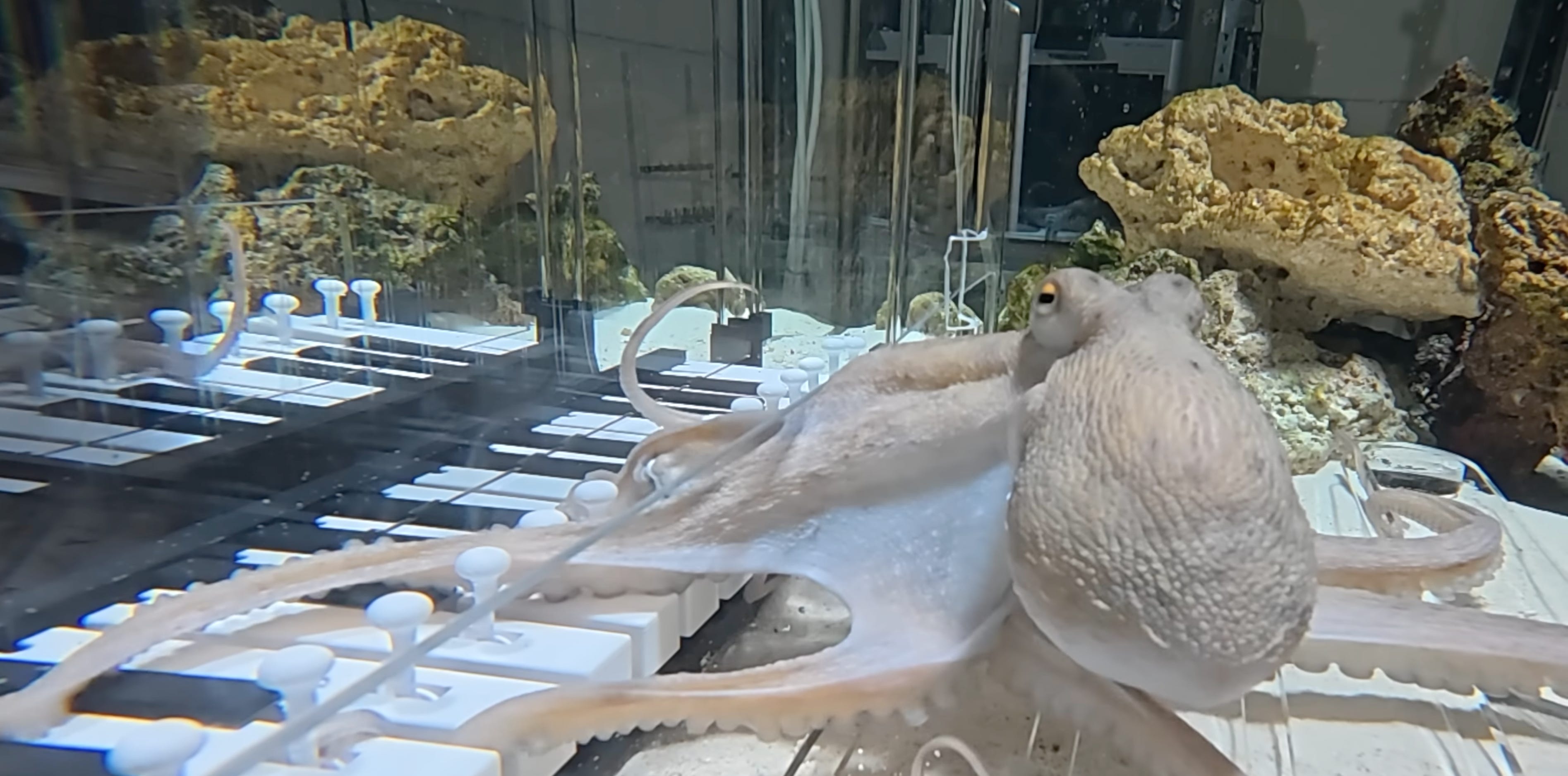
This week we were captivated by Swedish YouTuber and musician Mattias Krantz, who attempted to teach an octopus — Takoyaki — to “play the piano.” Yes, really.
His incredibly detailed video shows how he repeatedly adapts the piano setup inside Tako’s fish tank, studying the octopus’s behavior and redesigning the keys to match how an octopus actually moves. What makes the video so delightful is his commitment to meeting Tako as a learner — reframing the entire teaching process around the animal’s natural abilities. While he talks about some stalls in learning, you can see how quickly learning happens when the antecedent arrangement is honed in, the right reinforcers are used, and the criteria for reinforcement works well with the learner’s skills.
💬 Community Corner: Would You Clone Your Dog?
TODAY recently profiled Arthur Murray, a vineyard owner in Healdsburg, CA, who cloned his Maremma Sheepdog, Stella — the dog responsible for protecting his vineyard from birds and wild turkeys. When Stella turned ten, Murray started researching cloning and eventually worked with ViaGen Pets & Equine, the same company behind the cloning technology used for Dolly the sheep.
The process costs around $50,000 and takes a year. Stella’s clone, Mella (short for gemella, Italian for “twin”), was born earlier this year. Now the two dogs “run” the vineyard together.
We’re curious:
If money was no object, would you clone your dog? Or does the idea feel… complicated?
Tell us in the comments — we genuinely want to know.
🎁 DIY This for Your Dog: Paw Print Ornament
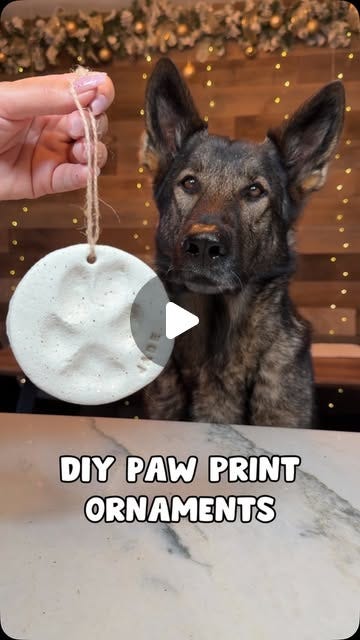
There’s still time to DIY a holiday keepsake, and we melted over this sweet idea from @jadethesablegsd: a homemade paw-print ornament. Sometimes I like to imagine myself as a crafty holiday elf, and this is exactly the kind of shit I would be doing. As it turns out, I am not a crafty holiday elf, but maybe you are! If you make one, please tag us — as people who tend to pre-grieve our dogs, this one hit us right in the heart.
Watch here:
🦈 One More Thing: Can Sharks Play?
Sharks playing with toys? An article on Science.org covers a new study from Southern California that suggests exactly that. Researchers watched leopard sharks, skates, and horn sharks interact eagerly with plastic hoops, rings, and even goofy squid toys—sometimes ramming them head-on, other times rolling them around like oversized toddlers.
The behavior, documented in Applied Animal Behaviour Science, offers some compelling research on how sharks in captivity use enrichment objects. Lead biologist Autumn Smith launched the experiment after noticing how bored captive sharks often seem, and the animals’ growing enthusiasm surprised even her.
Some sharks developed clear preferences, especially for bright colors, and one little horn shark named Bud reportedly “fell in love” with an orange hoop. The findings could reshape how many people think about shark intelligence—and how aquariums care for these often-misunderstood creatures. Now, aquarium teams and engineers are designing new enrichment toys to keep these underwater “players” happily engaged
Did You Know We Sell Training E-Courses?
They’re actually more about bonding with your dog and finding joy through learning than achieving perfection. Join us.
If you already have our e-courses and still want to support TOC’s future projects, you can always buy us a coffee.
Do you like our newsletter?! Consider forwarding it to your friend so they can enjoy it too!
Do you have suggestions for us? We can’t wait to hear from you! Email hello@tailsofconnection.com.
*[Disclosure: This newsletter may contain affiliate links, meaning TOC may get a commission if you decide to make a purchase through our links, at no cost to you.]
We Love Y'all,
— TOC
I LOVE the idea of paw print ornaments, but I'd recommend using a different material for it - I remember seeing posts in previous years about dogs dying from eating salt dough ornaments :(
Octopuses are so brilliant and complex. I study their skills
peace Claire